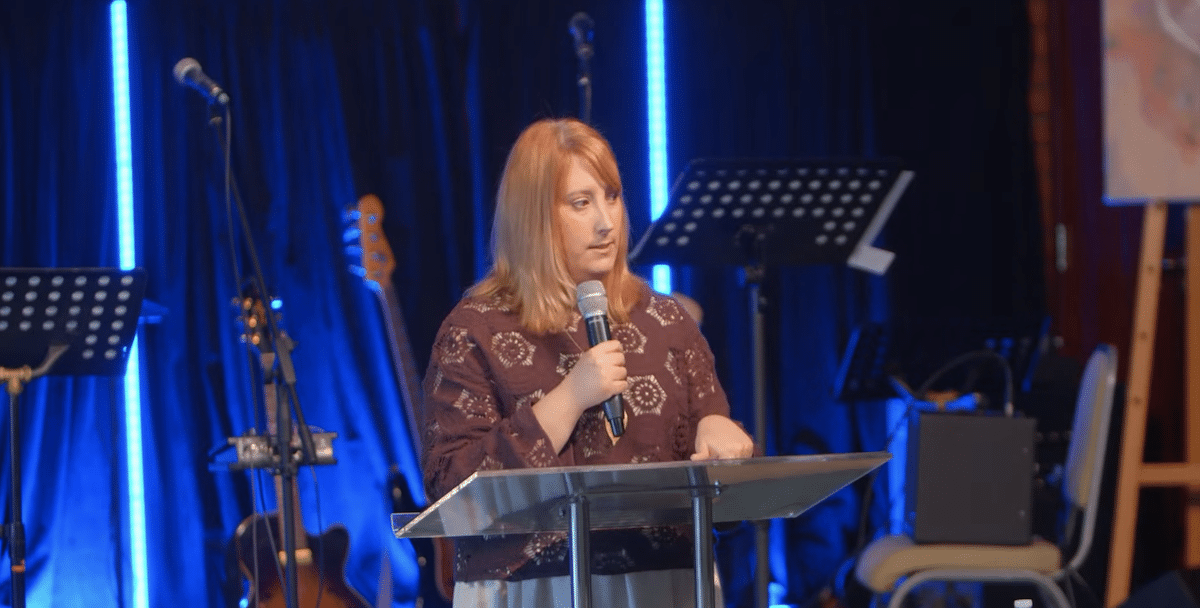
Empowered for Leadership: A Biblical Perspective on Women in the Church
In the heart of our church community lies a profound truth: both men and women are called to lead and serve within the body of Christ. This understanding is not merely a modern interpretation but is deeply rooted in the biblical narrative. As we explore the Scriptures together, we will unpack the original design of God, which affirms freedom and equality for all His children.
The Divine Design
In Genesis 1:26-28, we find a beautiful declaration of God’s intent for humanity. He creates mankind in His image, both male and female, and gives them authority to rule over the earth. This foundational truth establishes that leadership is not a privilege reserved for one gender but a shared responsibility reflecting God’s character. The command to “be fruitful and multiply” encompasses both men and women, highlighting their equal status and shared calling.
However, the narrative takes a turn in Genesis 3:16, where the consequences of sin introduce a distortion in relationships. Yet, it is essential to recognise that while sin has affected our interactions, it does not define God’s current calling for women. The fall brought challenges, but it did not erase the original mandate given to both genders. As we navigate our roles within the church, we must do so through the lens of redemption and restoration provided by Christ.
Freedom in Christ
Galatians 5:1 proclaims the liberating truth that “it is for freedom that Christ has set us free.” This freedom extends to every believer, empowering both men and women to fulfil their God-given potential without the constraints of cultural expectations or historical biases. In Christ, we are all children of God, as emphasised in John 1:12. This identity frees us from any limitations imposed by society regarding leadership roles.
Moreover, in Joel 2:28, we hear the promise that God will pour out His Spirit on all flesh. This prophetic declaration assures us that the gifts of the Spirit are not bound by gender. We see this fulfilled in the New Testament, where women play pivotal roles in the early church, exemplifying the Spirit’s work within them.
The Call to Lead
As we reflect on the body of Christ described in 1 Corinthians 12:12-27, we recognise that every member is vital, contributing unique gifts and perspectives. Leadership in the church should not be confined to a select group but should be representative of the diverse body of believers. This diversity enriches our community and allows us to embody Christ’s love and grace more fully.
One powerful example of female leadership in Scripture is found in Judges 4:1-5, where Deborah arises as a judge and prophetess. Her leadership is marked by wisdom, courage, and a deep reliance on God. Deborah exemplifies that effective leadership is rooted in a personal relationship with God, a quality that transcends gender. Women like her serve as reminders that God’s calling is not limited by societal norms but is expansive and inclusive.
Nurturing Gifts and Callings
In our church, it is vital to cultivate an environment where both men and women can identify and develop their God-given gifts. We must actively encourage a culture that recognises and appoints individuals to leadership roles based on their spiritual gifts and calling, rather than gender. This involves challenging traditional views and assumptions about gender roles in leadership by examining the rich tapestry of biblical examples.
As we pursue this vision, we prioritise seeking after Jesus as the central criterion for leadership. Our focus should be on the heart of the leader rather than their gender. When we seek individuals who are deeply rooted in their relationship with Christ, we foster unity and collaboration within the church body. Each person, regardless of gender, has a unique role and contribution to make, and it is our responsibility to support one another in our journeys of faith and service.
Conclusion
As we engage with these biblical truths, let us continue to champion the call for women to lead in our church. By embracing the understanding that both men and women are empowered by the Spirit to fulfil their roles, we embody the fullness of the body of Christ. Together, let us create opportunities for all individuals to step into their God-given callings, recognising that in doing so, we reflect the heart of our Creator who designed us for relationship, service, and leadership. May we be a community marked by the love of Christ, where every voice is valued and every gift is celebrated.